


What Is Lawsuit Lending?
Also known as “litigation funding”, “pre-settlement funding,” or even “car accident loans”, lawsuit lending is the practice of advancing cash to individuals who are suing for injuries, mistreatment, or abuse while their case is pending. This money can be used to cover medical bills, day-to-day living expenses, and more.
Governor Kathy Hochul signed A.9442/S.8808 on February 13, 2026, establishing the Litigation Funding Act under Article 10 of the Financial Services Law. The law took effect June 17, 2026. While it creates consumer protections, restricts funder conduct, and establishes registration and reporting requirements.which, it does not go far enough to sufficiently protect vulnerable consumers or the integrity of the legal system because it lacks transparency requirements. This law is a step in the right direction, but it is not the true reform New Yorkers need. It’s now up to the New York State legislature and Governor Kathy Hochul to mandating transparency.
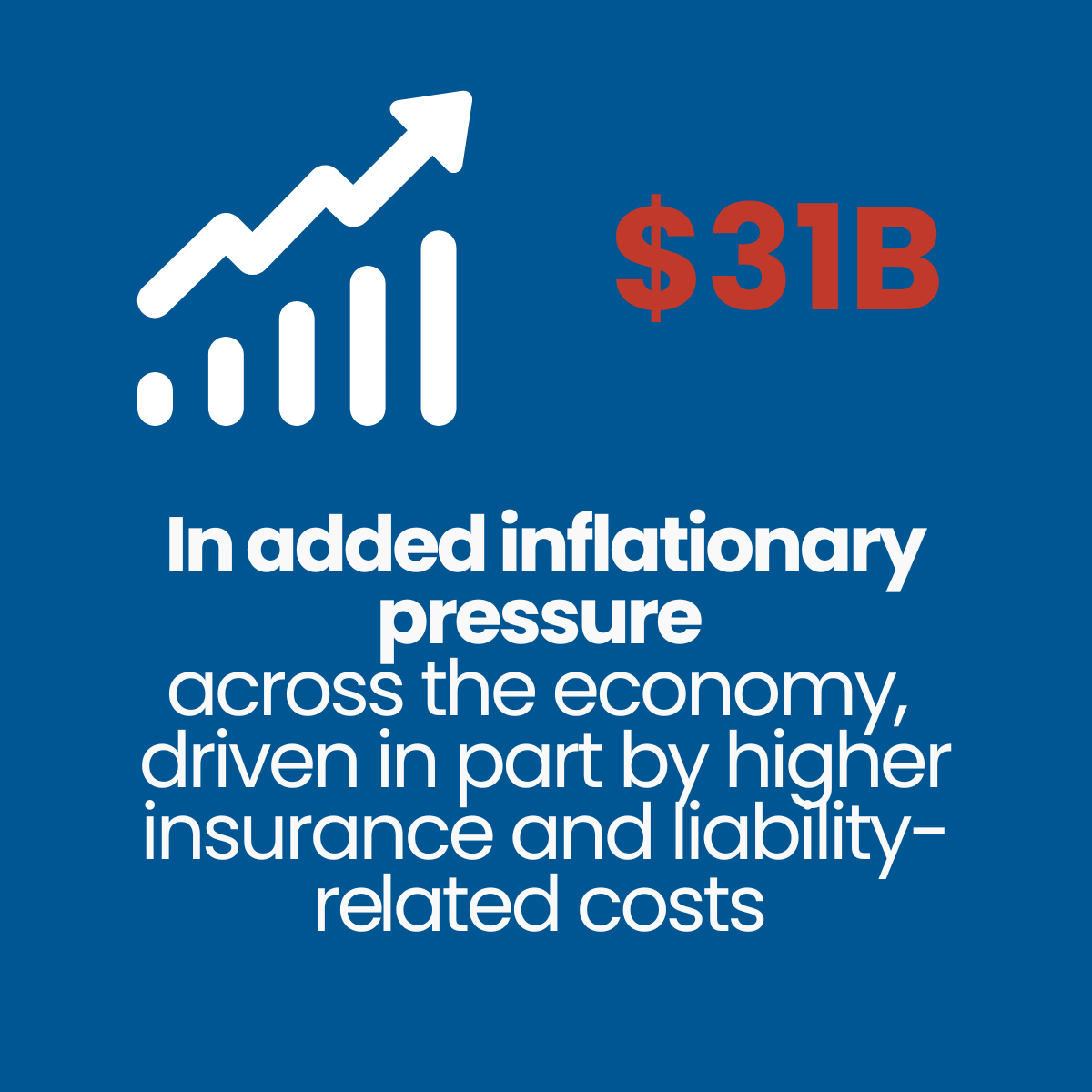
Failing to further regulate the lawsuit lending industry by enforcing transparency has the potential to worsen the affordability crisis by causing already sky-high insurance rates to climb even further.
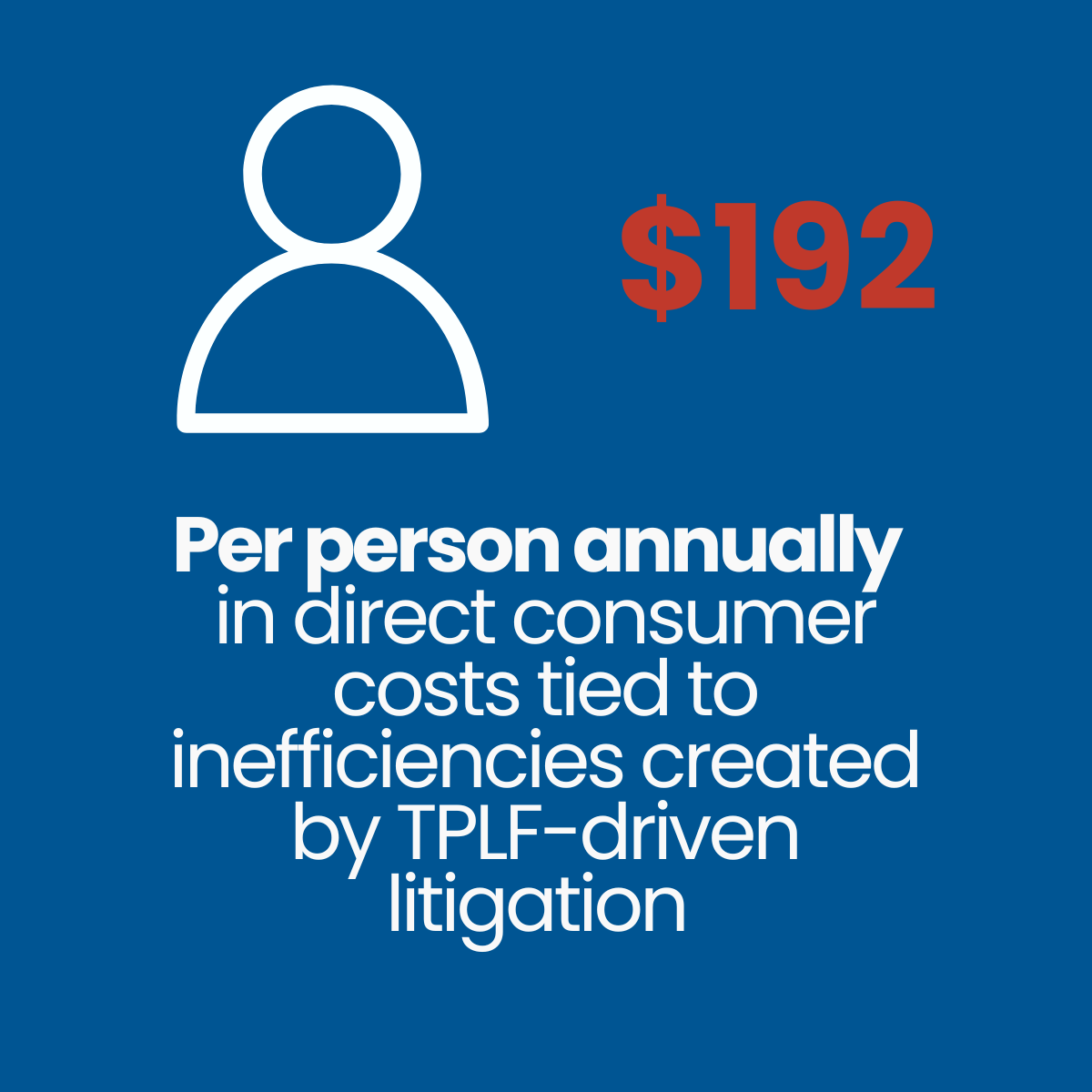
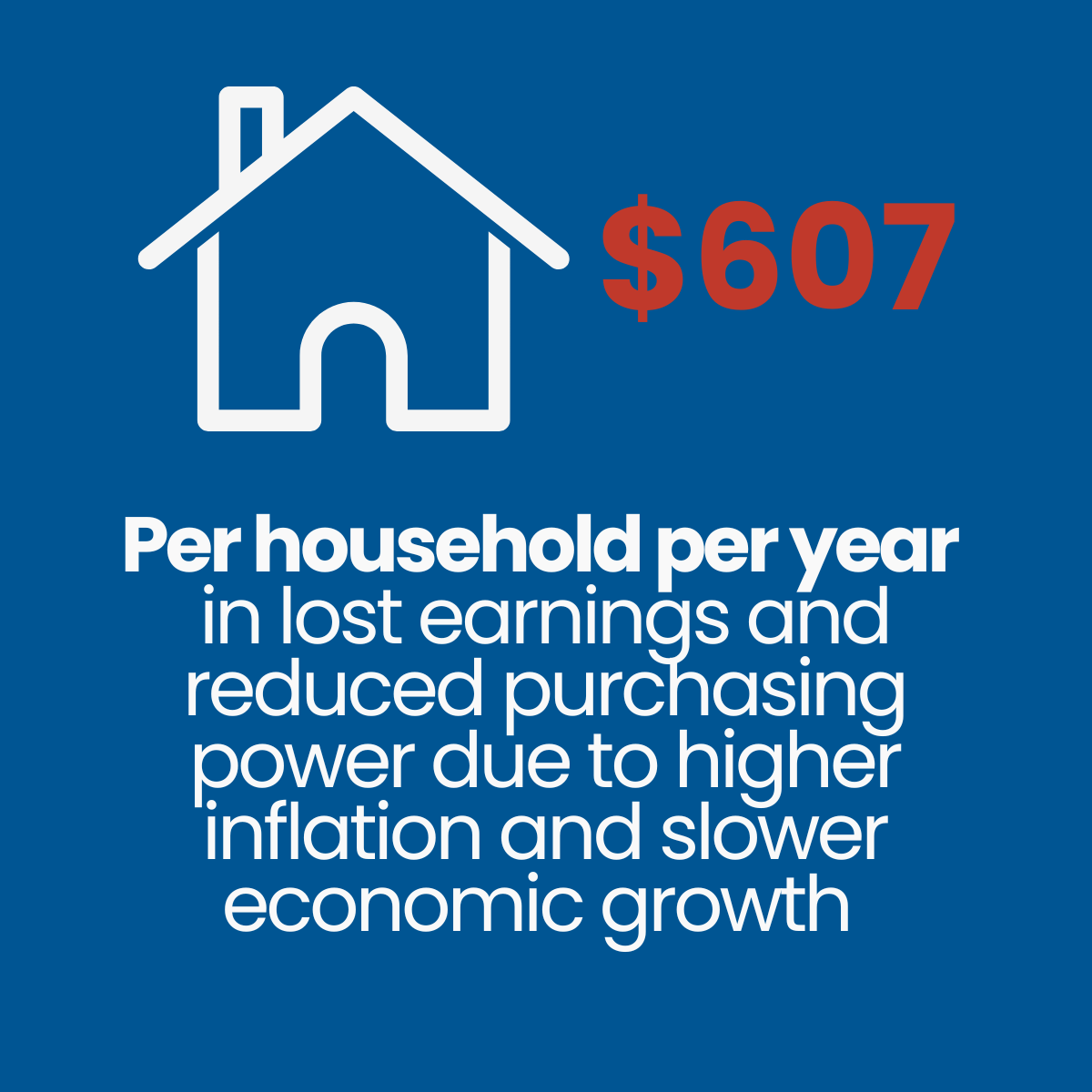
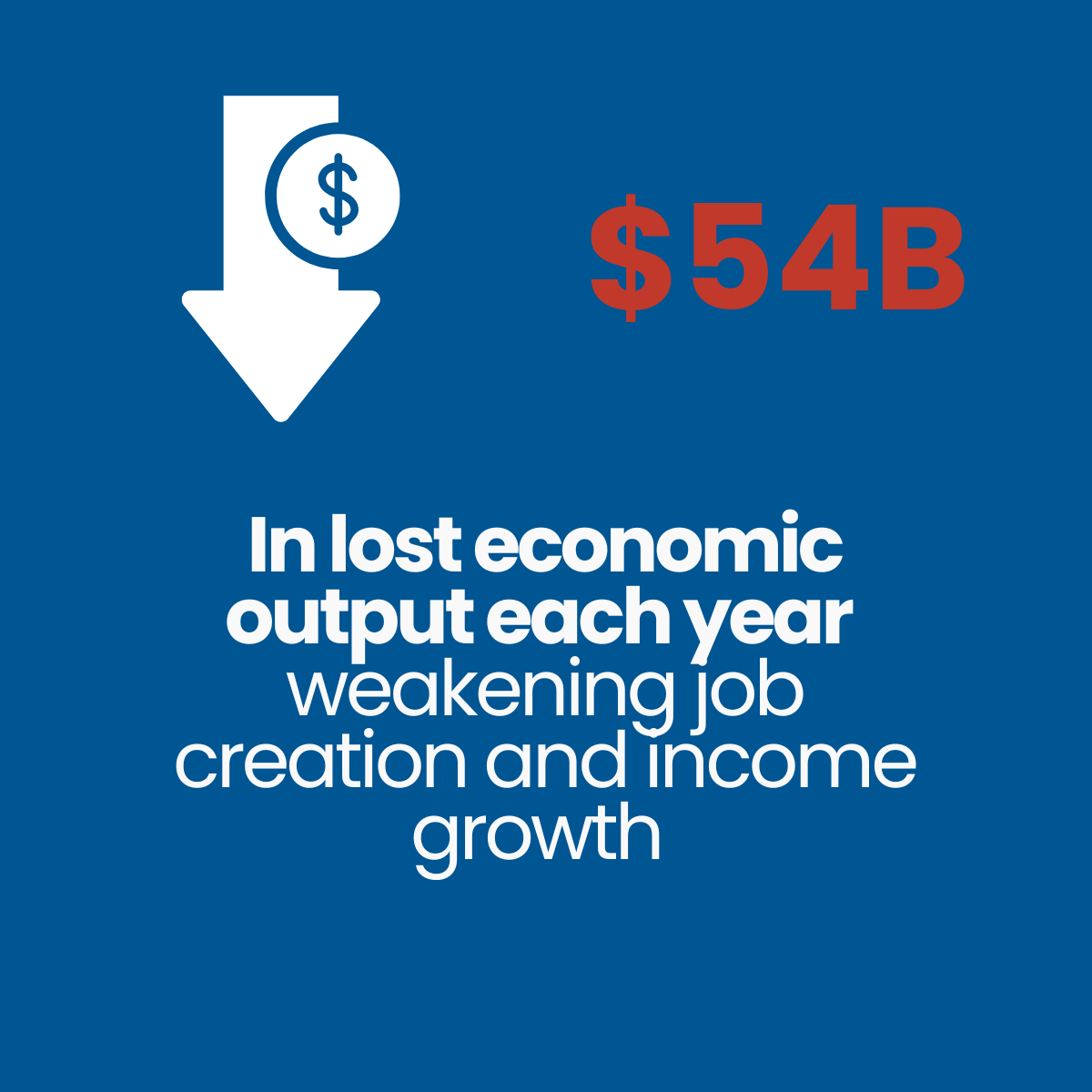
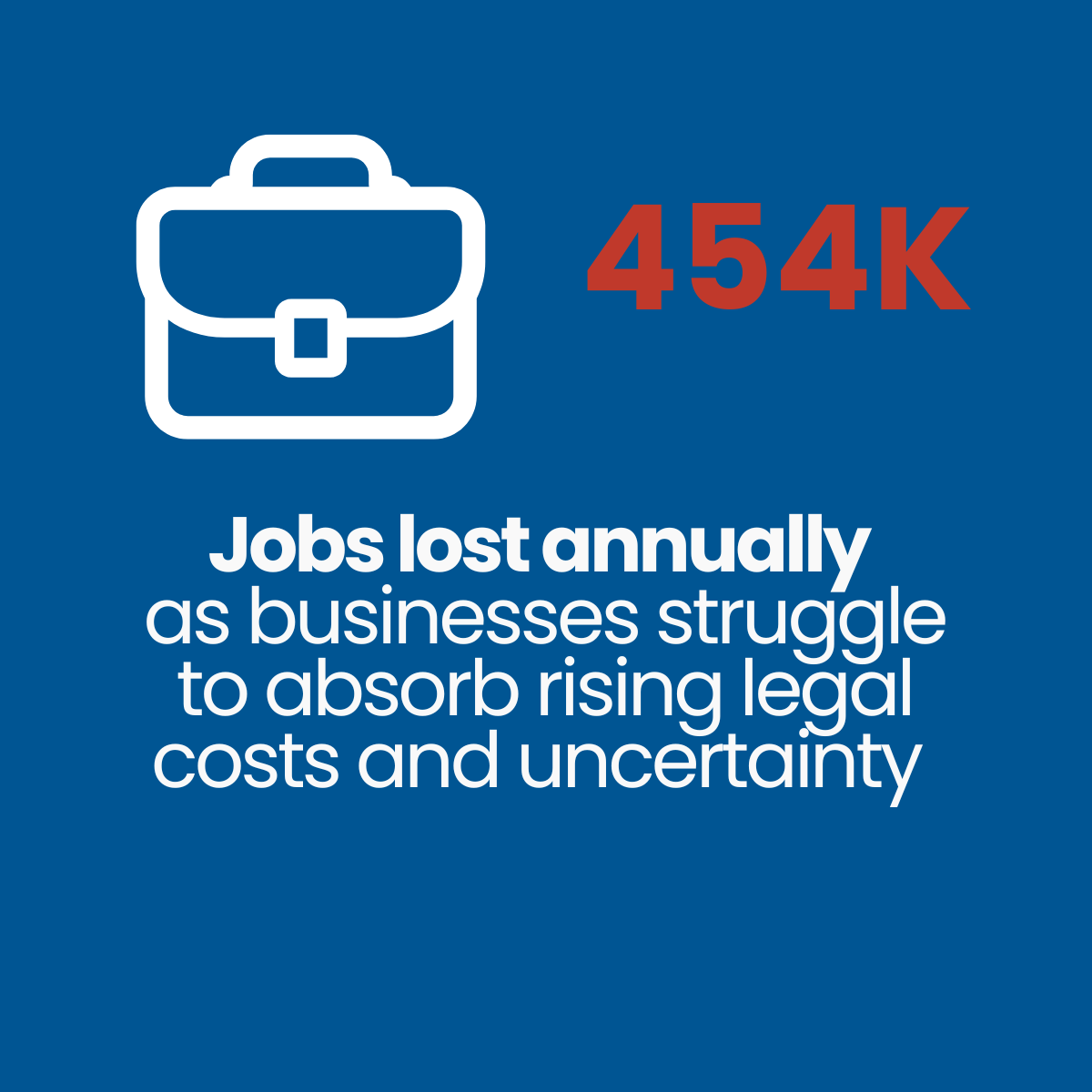
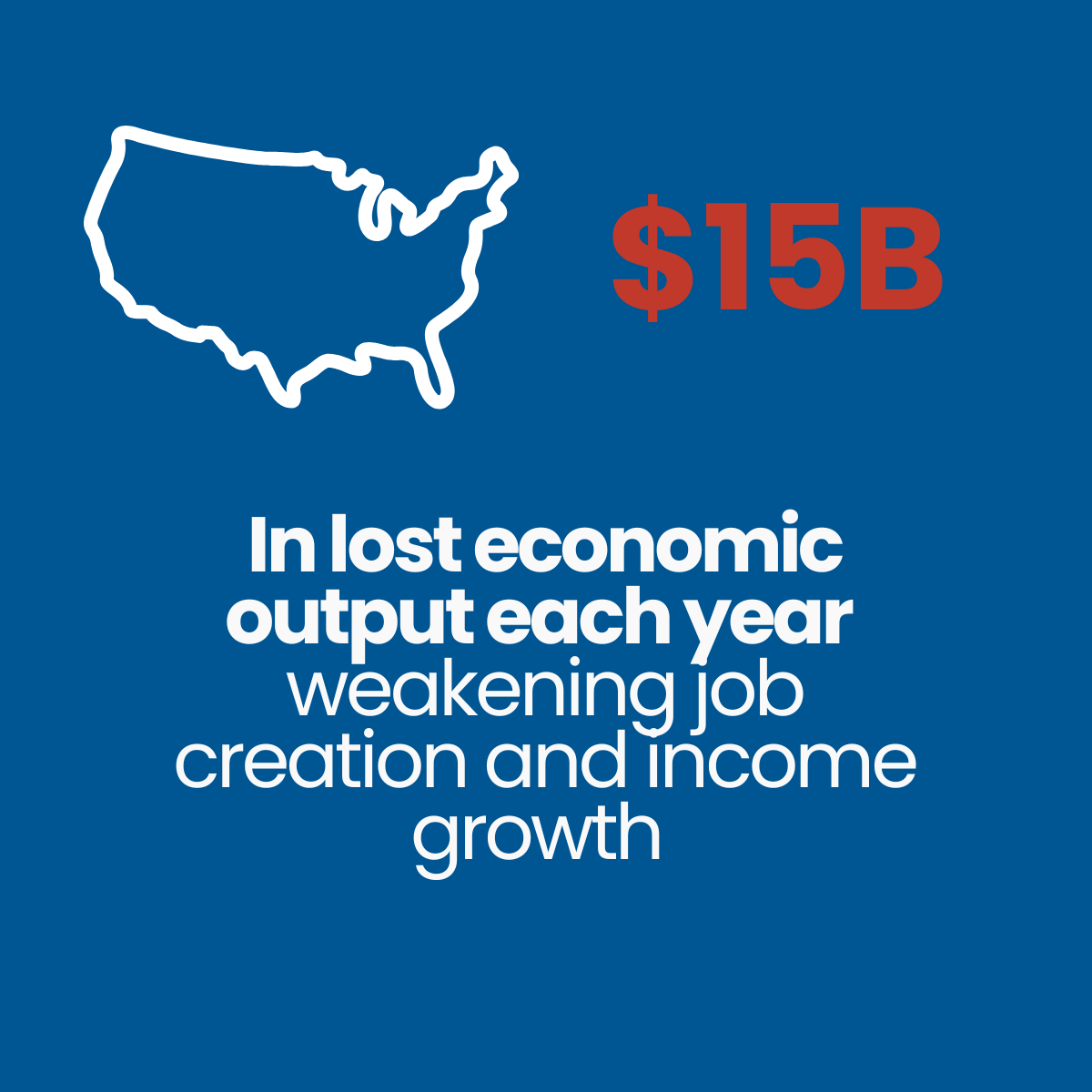
The Impact of Third Party Litigation Funding on US Business Activity and Consumers
Source: The Perryman Group for Citizens Against Lawsuit Abuse

New York Must Act NOW To Protect Consumers!
The governor has made tackling the state's "affordability crisis" her "top priority" in 2027, putting forward a range of policies to put money back into the pockets of New Yorkers. Failing to further regulate the out-of-control lawsuit lending industry in this session would be a significant oversight, as it is costing borrowers' money and also driving the state's sky-high insurance costs.
The central unresolved issue is that New York now regulates qualifying litigation funding transactions without generally requiring their disclosure in the underlying litigation.
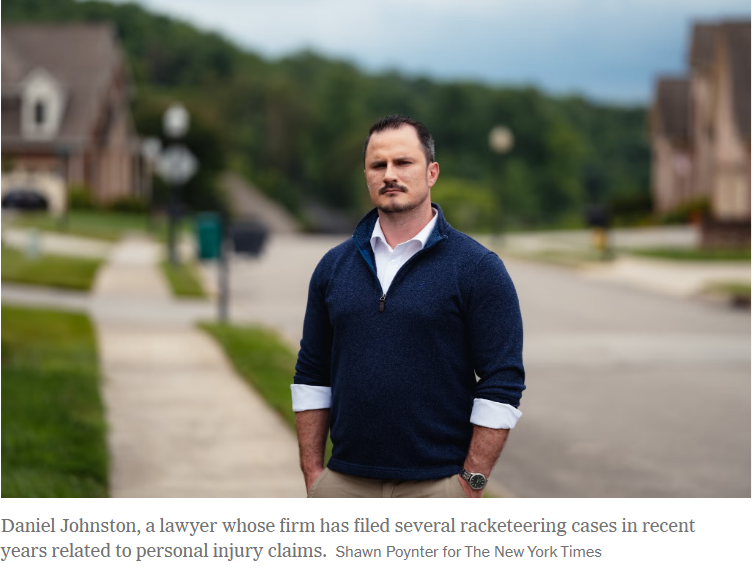
That distinction is especially relevant in personal-injury cases involving disputed medical expenses, alleged staged accidents, or questions about financial relationships among participants. It does not mean such arrangements are inherently improper, but it explains why disclosure remains a significant subject of legislative debate.
Absent true lawsuit lending reform, the possibility of increased insurance rates remains, which flies in the face of the governor’s affordability agenda.